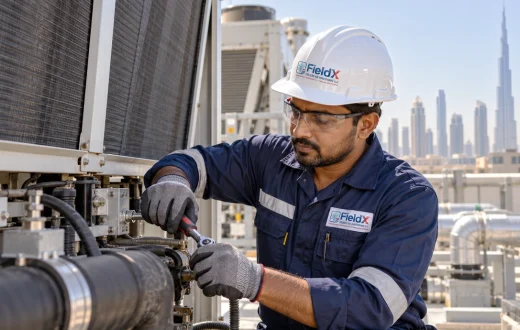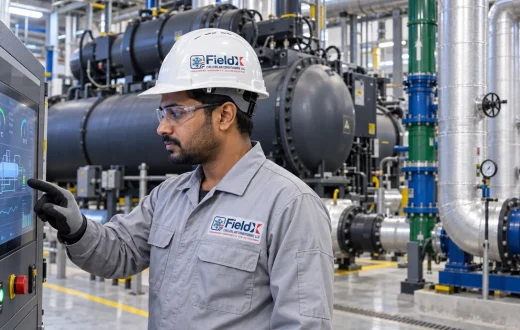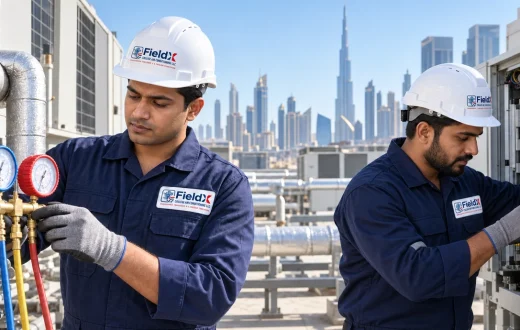
Chiller plants are a major part of the cooling infrastructure in commercial buildings, hotels, hospitals, shopping centers, industrial facilities, and large residential developments across Dubai and the UAE. A chiller plant typically includes chillers, pumps, cooling towers, chilled water networks, controls, and other supporting equipment that work together to provide cooling. Because these systems can operate for extended periods, maintaining efficient plant performance is important for reliable cooling and effective energy management.
Chiller plant optimization focuses on improving the overall performance of the cooling system rather than looking at individual equipment in isolation. A chiller may be operating correctly while pumps, cooling towers, water flow, controls, or operating temperatures are preventing the plant from achieving its expected performance. A professional chiller service company in Dubai can evaluate these components together to identify opportunities for improvement.
Effective optimization involves monitoring operating conditions, reviewing system performance, identifying inefficiencies, and making appropriate adjustments or improvements. Depending on the facility, this can include water balancing, tube cleaning, pump optimization, cooling tower maintenance, temperature optimization, control-system configuration, BTU metering, vibration analysis, and other technical assessments.
What Is Chiller Plant Optimization?
Chiller plant optimization is the process of evaluating and improving the operation of the complete chilled-water cooling system.
It can involve:
* Chiller performance assessment
* Chilled water flow optimization
* Condenser water flow assessment
* Cooling tower optimization
* Pump performance evaluation
* Heat-transfer surface cleaning
* Temperature setpoint review
* Water balancing
* Control-system optimization
* BTU meter installation and monitoring
* Equipment performance monitoring
* Energy-performance analysis
The objective is to help the complete plant operate in a coordinated and efficient manner.
1. Monitor Chiller Performance
Regular monitoring is an important first step in optimizing a chiller plant. Operating data can help facility managers and technicians understand how the equipment is performing under different loads.
Important parameters may include:
* Chilled water supply temperature
* Chilled water return temperature
* Condenser water temperatures
* Refrigerant pressures
* Water flow rates
* Compressor operating conditions
* Motor performance
* Temperature difference
* Equipment alarms
* Operating hours
Tracking these parameters over time can help identify changes in performance.
2. Optimize Chilled Water Flow
Correct chilled water flow is essential for effective heat transfer throughout the building.
Poor flow can be caused by:
* Incorrect valve positions
* Pump problems
* Blocked strainers
* Air within the system
* Improper balancing
* Pipe restrictions
* Incorrect pump settings
Water balancing and flow measurement can help ensure that the chilled water system operates according to the requirements of the facility.
3. Improve Cooling Tower Performance
For water-cooled chiller plants, cooling tower performance has a direct relationship with condenser-side operation.
Cooling tower optimization may include:
* Cleaning tower components
* Checking fan operation
* Inspecting motors
* Checking water distribution
* Monitoring condenser water temperature
* Inspecting cooling tower fill
* Checking water quality
* Reviewing airflow
* Inspecting pumps and controls
A properly maintained cooling tower can support stable chiller operation.
4. Clean Condenser and Evaporator Tubes
Heat-transfer surfaces can accumulate scale, deposits, and other contaminants over time. This can reduce heat-transfer effectiveness and affect chiller performance.
Professional chiller maintenance may include:
* Tube inspection
* Mechanical tube cleaning
* Chemical descaling where appropriate
* Water-side inspection
* Eddy current testing when required
* Tube plugging where necessary
Maintaining clean heat-transfer surfaces can help the chiller operate more effectively.
5. Optimize Chilled Water Temperature
Chilled water temperature settings can influence overall plant operation. The appropriate temperature depends on the building load, HVAC design, equipment specifications, indoor requirements, and operating conditions.
Instead of maintaining unnecessarily low temperatures, facility operators can review the actual cooling requirements and system performance with qualified HVAC professionals.
Temperature optimization should always be carried out within the equipment manufacturer’s operating requirements and the design parameters of the system.
6. Improve Pump Efficiency
Chilled water and condenser water pumps consume energy and play an important role in plant performance.
Pump optimization can involve:
* Checking pump operating conditions
* Reviewing flow requirements
* Inspecting mechanical components
* Checking alignment
* Reviewing motor performance
* Evaluating VFD operation
* Checking differential pressure
* Identifying unnecessary flow
Where appropriate, variable frequency drives can be used to adjust pump speed according to system demand.
7. Use VFD Technology
Variable Frequency Drives (VFDs) can help control the speed of compatible motors based on operating requirements.
VFD applications may include:
* Chilled water pumps
* Condenser water pumps
* Cooling tower fans
* Air-handling equipment
* Other compatible HVAC motors
Proper VFD configuration and commissioning are important to ensure that equipment operates within its intended range.
8. Improve Water Quality
Water quality has an important role in chilled water system performance. Poor water conditions can contribute to scaling, corrosion, deposits, and other problems.
Chiller plant maintenance may include:
* Water testing
* Chemical treatment
* Dosing
* Flushing
* Descaling
* Water-quality reporting
* Monitoring system conditions
A suitable water treatment program can help protect heat-transfer surfaces and other components.
9. Install BTU Meters
BTU meters can provide useful information about the amount of cooling energy transferred through a chilled water system.
Depending on the application, BTU metering can help facility teams:
* Monitor cooling consumption
* Track system performance
* Compare operating conditions
* Identify changes in cooling demand
* Support energy analysis
* Improve plant monitoring
Accurate measurement can provide better visibility into chilled water system performance.
10. Use Advanced Chiller Plant Monitoring
Modern chiller plants can use centralized monitoring and control systems to provide information about equipment operation.
A Chiller Plant Manager or similar control platform can help monitor:
* Chiller status
* Temperatures
* Pressures
* Pump operation
* Cooling tower operation
* Water flow
* Alarms
* Operating schedules
* Equipment loading
Proper configuration and monitoring can help operators identify unusual operating conditions and make informed adjustments.
11. Conduct Energy Performance Analysis
Energy consumption should be reviewed together with cooling output. Simply looking at electricity consumption without considering cooling demand may not provide a complete picture of plant efficiency.
A professional assessment can review:
* Chiller loading
* Cooling output
* Power consumption
* Pump energy
* Cooling tower energy
* Operating schedules
* Temperature conditions
* Equipment performance
This can help identify areas where operational improvements may be possible.
12. Maintain Compressors Properly
Compressors are among the most important components in a chiller system. Their condition has a direct impact on cooling performance.
Maintenance may include:
* Compressor inspection
* Oil condition assessment
* Vibration monitoring
* Electrical inspection
* Operating parameter checks
* Refrigerant condition assessment
* Performance evaluation
Early identification of compressor-related issues can help prevent unexpected operational problems.
13. Monitor Vibration and Equipment Condition
Vibration analysis can provide useful information about rotating equipment such as compressors, pumps, and motors.
Unusual vibration may be associated with:
* Misalignment
* Imbalance
* Bearing-related issues
* Loose components
* Mechanical wear
Condition monitoring can help maintenance teams identify potential problems before they develop into more significant equipment issues.
14. Check Refrigerant Conditions
Refrigerant performance is another important part of chiller operation. Unusual pressure readings, cooling performance changes, or suspected leakage should be professionally investigated.
Professional technicians can assess the system and carry out appropriate refrigerant checks and leak detection based on the chiller type and manufacturer’s requirements.
15. Optimize Multiple Chillers
Large facilities may have multiple chillers operating together. In these systems, optimization is not simply about making every chiller run continuously.
Plant operators can evaluate:
* Number of chillers operating
* Individual chiller loading
* Chiller sequencing
* Pump operation
* Cooling tower operation
* Building cooling demand
* Operating schedules
Proper sequencing can help match plant operation with actual cooling requirements.
Benefits of Chiller Plant Optimization
A properly assessed and optimized chiller plant can provide several operational benefits:
* Improved cooling performance
* Better plant monitoring
* More consistent system operation
* Improved equipment utilization
* Reduced unnecessary operating load
* Better maintenance planning
* Early identification of technical issues
* Improved chilled water distribution
* Better understanding of energy consumption
* Support for longer equipment service life
* Reduced risk of unexpected downtime
Actual energy and performance improvements depend on the existing plant condition, equipment design, building load, operating practices, and optimization measures implemented.
Common Signs That a Chiller Plant Requires Optimization
Facility managers should consider a professional plant assessment when they notice:
* Increasing energy consumption
* Reduced cooling performance
* High condenser water temperatures
* Poor chilled water temperature difference
* Frequent equipment alarms
* Unstable chilled water flow
* Pump performance issues
* Cooling tower problems
* Repeated chiller shutdowns
* High operating temperatures
* Uneven building cooling
* Recurring maintenance problems
* Aging equipment
* Poor system monitoring
These signs do not necessarily indicate a single fault. A complete assessment can help identify the actual causes.
Chiller Plant Optimization and Preventive Maintenance
Optimization works best when combined with regular preventive maintenance. Cleaning, inspection, testing, water treatment, equipment servicing, and performance monitoring can help maintain the improvements achieved through optimization.
A structured maintenance program may include:
* Scheduled chiller inspections
* Cooling tower maintenance
* Pump inspection
* Tube cleaning
* Water testing
* Refrigerant checks
* Oil analysis
* Vibration analysis
* Electrical inspection
* Control-system checks
* Performance reporting
Why Choose Professional Chiller Plant Services in Dubai?
Chiller plants are complex systems, and changes to one component can affect the performance of other components. Professional technicians can evaluate the plant as a complete system and recommend practical measures based on equipment condition and facility requirements.
FieldX Chillers provides chiller plant and hydronic system services in Dubai and across the UAE, including chilled water network flushing, chemical treatment and dosing, chilled water testing, compressor oil analysis, refrigerant analysis, tube cleaning and chemical descaling, eddy current testing, BTU meter installation, chiller plant monitoring, refrigerant leak detection, vibration analysis, and infrared thermography inspections.
Chiller Plant Optimization Checklist
A professional optimization assessment may include:
* Chiller performance
* Compressor condition
* Evaporator performance
* Condenser performance
* Tube cleanliness
* Chilled water flow
* Condenser water flow
* Pump performance
* Cooling tower condition
* Water quality
* Temperature measurements
* Pressure measurements
* Refrigerant condition
* Oil condition
* Vibration levels
* Electrical systems
* Control systems
* BTU metering
* Plant sequencing
* Energy consumption
* Technical reporting
Conclusion
Chiller plant optimization is an important part of maintaining reliable and efficient cooling systems in Dubai and across the UAE. Instead of focusing on a single piece of equipment, optimization evaluates the interaction between chillers, pumps, cooling towers, chilled water networks, controls, and other supporting systems.
Regular performance monitoring, tube cleaning, water balancing, cooling tower maintenance, pump optimization, water treatment, advanced diagnostics, and appropriate control strategies can help facilities improve overall plant operation.
For commercial and industrial facilities looking for chiller plant optimization in Dubai, professional assessment and ongoing preventive maintenance can provide valuable insight into system performance and help support reliable long-term cooling operation. FieldX Chillers provides professional chiller plant, hydronic, HVAC maintenance, testing, repair, and optimization services in Dubai and across the UAE.